















What Is a Managed Futures?
Managed futures is a powerful hedge fund strategy that has consistently delivered alpha across both bull and bear markets. In this video, we break down the three core features that make managed futures compelling for institutional investors and asset allocators:
Macro Strategy – Access opportunities across equities, currencies, interest rates, and commodities
Flexible Approach – Generate returns in both rising and falling markets
Dynamic Execution – Constantly evolving to capture alpha in changing environments
Most importantly, managed futures offer diversification benefits, showing near-zero correlation to traditional stock and bond markets. Historically, this strategy has outperformed during crisis periods, including 2022, the Global Financial Crisis, and the dot-com crash.
If you’re an experienced allocator, the question isn’t whether to invest in managed futures — it’s how.
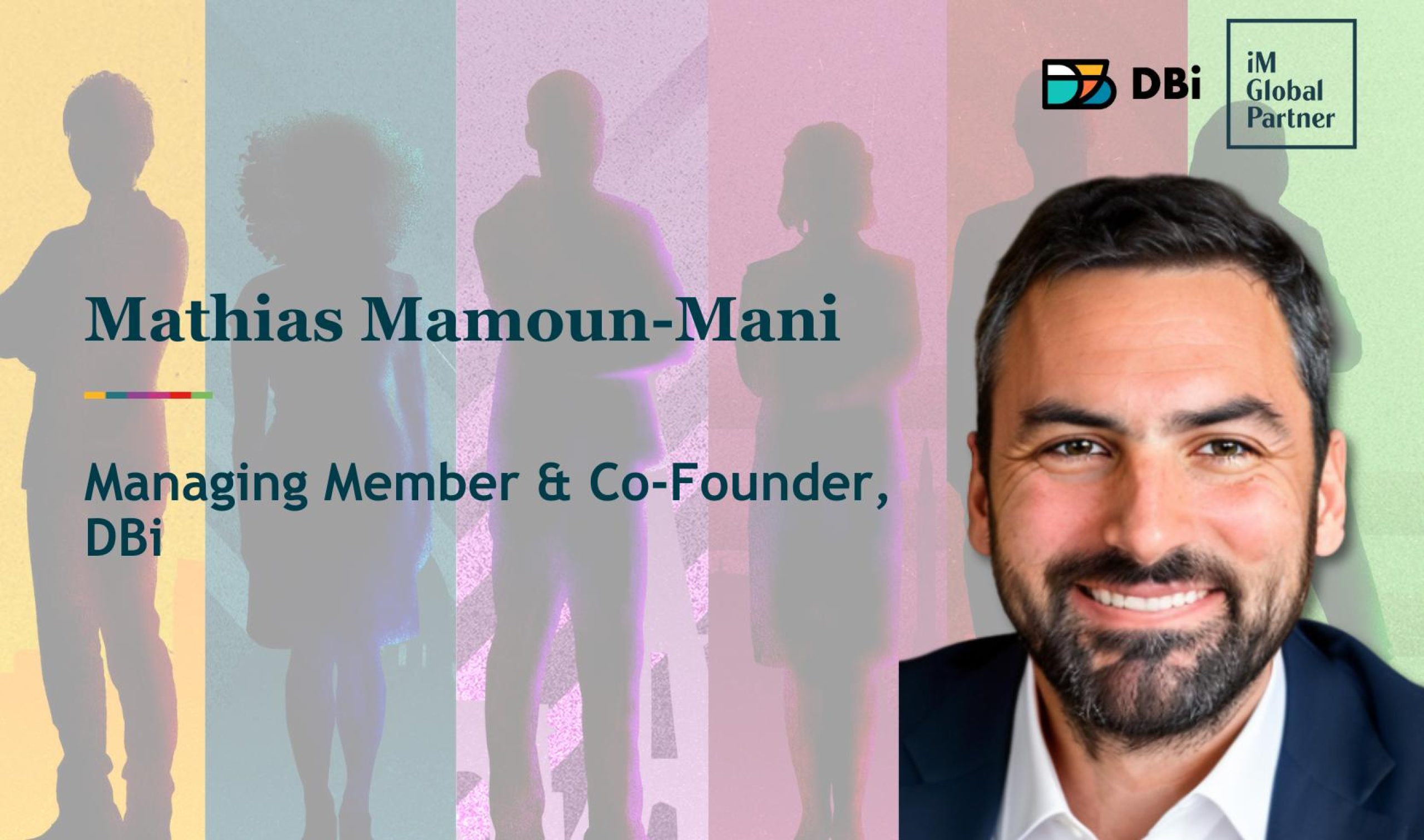
Behind the Strategy, Meet the Mind: Mathias Mamou-Mani
Mathias Mamou-Mani, co-founder and managing partner of DBi, shares how a lifelong passion for technology and automation led him from the tech world into asset management and ultimately to building a distinctive systematic investment firm. Drawing on experience in software, coding, and systematic macro investing, he explains how DBi was designed to challenge traditional finance by emphasizing transparency, efficiency, and innovation. The discussion highlights how this technical mindset transformed outdated market practices and enabled the development of strategies focused on diversification, low correlation to equities, and a more accessible alternative to conventional hedge fund solutions.
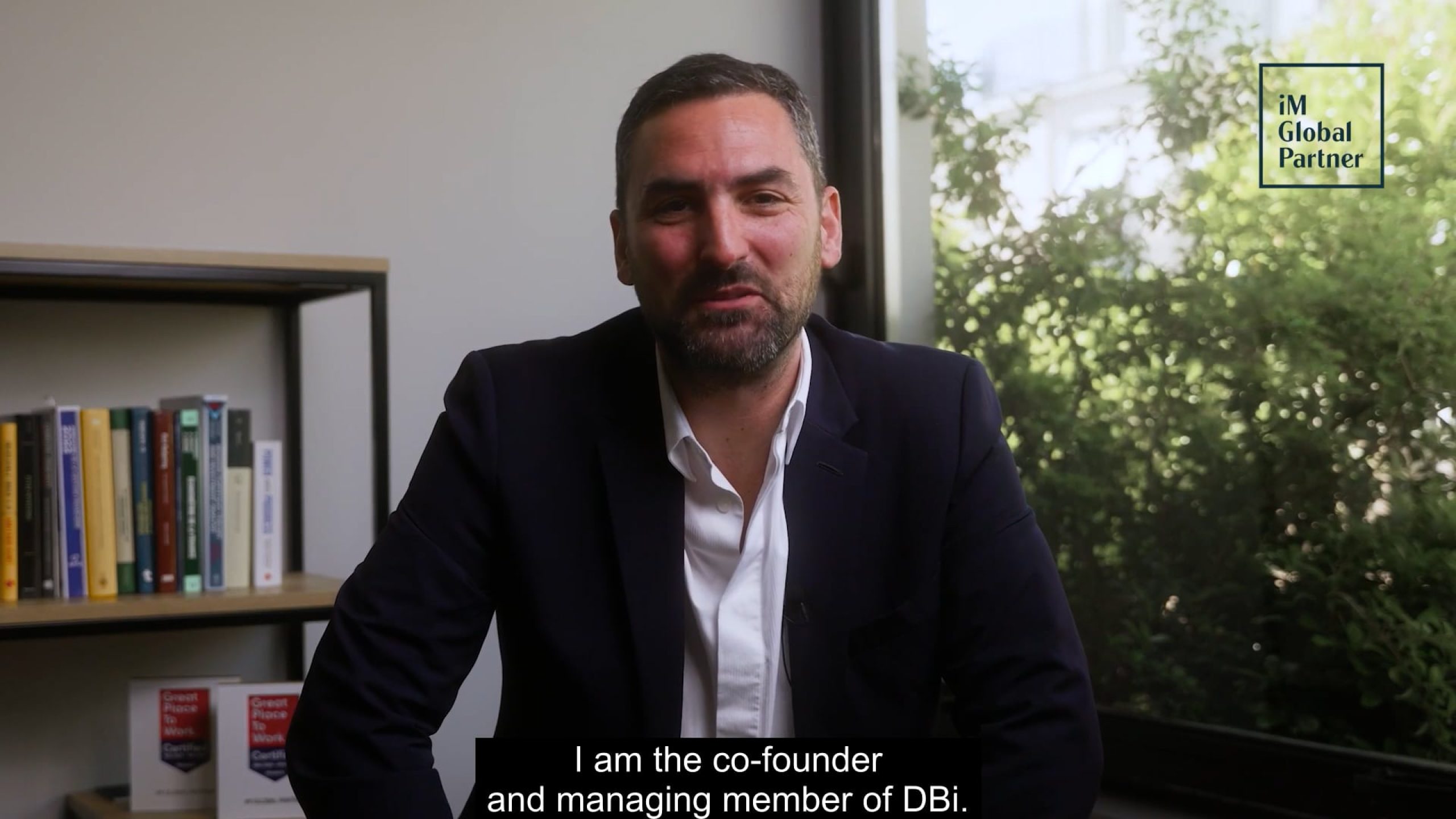
Andrew Beer on the history of Managed Futures
Andrew Beer explores the challenges and evolution of bringing hedge fund strategies to a broader audience through mutual funds, ETFs, and UCITS vehicles. While traditional attempts to replicate hedge fund performance in accessible formats have largely failed, the discussion highlights how factor-based hedge fund replication offers a more promising approach. By identifying the key trades driving hedge fund returns, such as value versus growth or macroeconomic positions, this strategy delivers diversification, low fees, and daily liquidity without sacrificing performance. The speaker shares insights from a successful partnership with SEI Investments, where a strategy replicating 70 hedge funds, including managed futures, outperformed during market volatility. This innovative solution demonstrates how advanced hedge fund techniques can now support institutional-grade diversification in liquid, cost-efficient formats.
How did DBi become a Partner?
Mathias Mamou-Mani and Andrew Beer recount the origin and success of a partnership between a then-small investment firm and iM Global Partner, which began with a simple LinkedIn message and evolved into a transformative collaboration. United by a shared long-term vision, the founders aimed to democratize access to hedge fund strategies by replicating institutional-grade investment ideas in a low-cost, liquid format. Leveraging advanced quantitative models, the team identifies and mimics hedge fund trades, offering efficient exposure to sophisticated strategies. Using a powerful metaphor—reading the wake of a cruise ship to predict its direction—the video illustrates how analyzing past manager behavior enables accurate replication of future positioning. Since iMGP’s early and bold investment, the firm has grown eightfold, expanded into new markets, and continues to innovate within the global asset management space.

Mathias Mamou-Mani on The Advantages of Alternative Investments
Interviewed by CityWire, Matthieu Mamou-Mani, Co-Founder of DBi, a New York-based investment firm managing approximately $2 billion in assets (as of April 2023), explains DBi’s core mission: to provide liquid, transparent, and easy-to-access alternative investment strategies. Traditional alternatives are often complex, illiquid, and require extensive due diligence. DBi addresses this by offering packaged solutions that deliver dynamic asset allocation, exposure to a range of asset classes—including long/short strategies—and reduced correlation with traditional equity and bond portfolios.
The value proposition is to democratize access to hedge-fund-like strategies by simplifying the investment process while retaining diversification benefits. Mamou emphasizes that these strategies are not only cost-effective and liquid but also designed to produce positive returns in various market conditions. One of DBi’s key successes has been expanding its strategy offerings into Europe in partnership with iM Global Partner, launching new funds that deliver the firm’s forward-thinking approach to global investors.
Jeffrey Seeley talks with Andrew Beer about Managed Futures
Jeff Seeley, CEO of iM Global Partner Fund Management US, interviews Andrew Beer, co-founder and portfolio manager of the iM DBi Managed Futures ETF (DBMF). They discuss the evolution and success of the DBMF ETF, highlighting its role in delivering hedge fund-like returns through replication strategies, but with greater efficiency, transparency, and lower costs. Andrew shares how his background in traditional hedge funds led him to focus on replication, particularly in managed futures, due to their strong diversification benefits and potential for crisis alpha. The video emphasizes how replication provides access to core macro trades (like shorting treasuries or buying oil) without the high fees or complexity of traditional hedge funds. The discussion also explores the growth of ETFs over mutual funds, the shortcomings of many liquid alternatives, and the need for fee-efficient, benchmark-beating, one-stop solutions for advisors and model portfolio builders. This forward-looking dialogue underscores the increasing demand for sophisticated yet accessible strategies like DBMF in modern portfolios.